Cooperation with Syensqo: New Opportunities in Mineral Processing Technologies
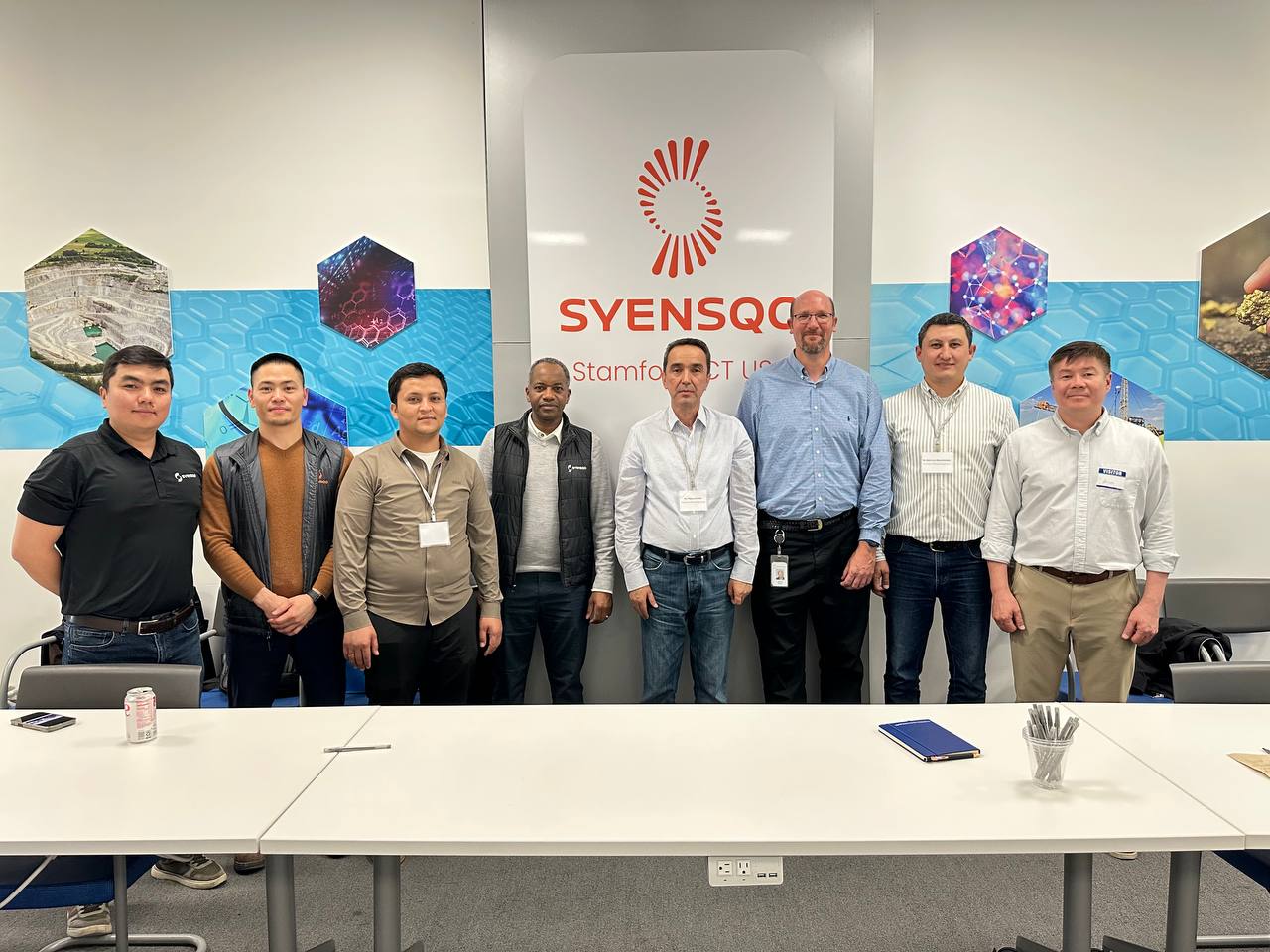
From March 29 to April 3, 2026, a delegation from the Institute of Mineral Resources was on an official visit to Syensqo’s research center in Stamford, USA. The main purpose of the visit was to study advanced scientific and practical experience in the flotation processing of refractory carbonaceous ores and critical mineral raw materials, discuss the potential use of next-generation reagents, and identify promising areas for further technological cooperation.
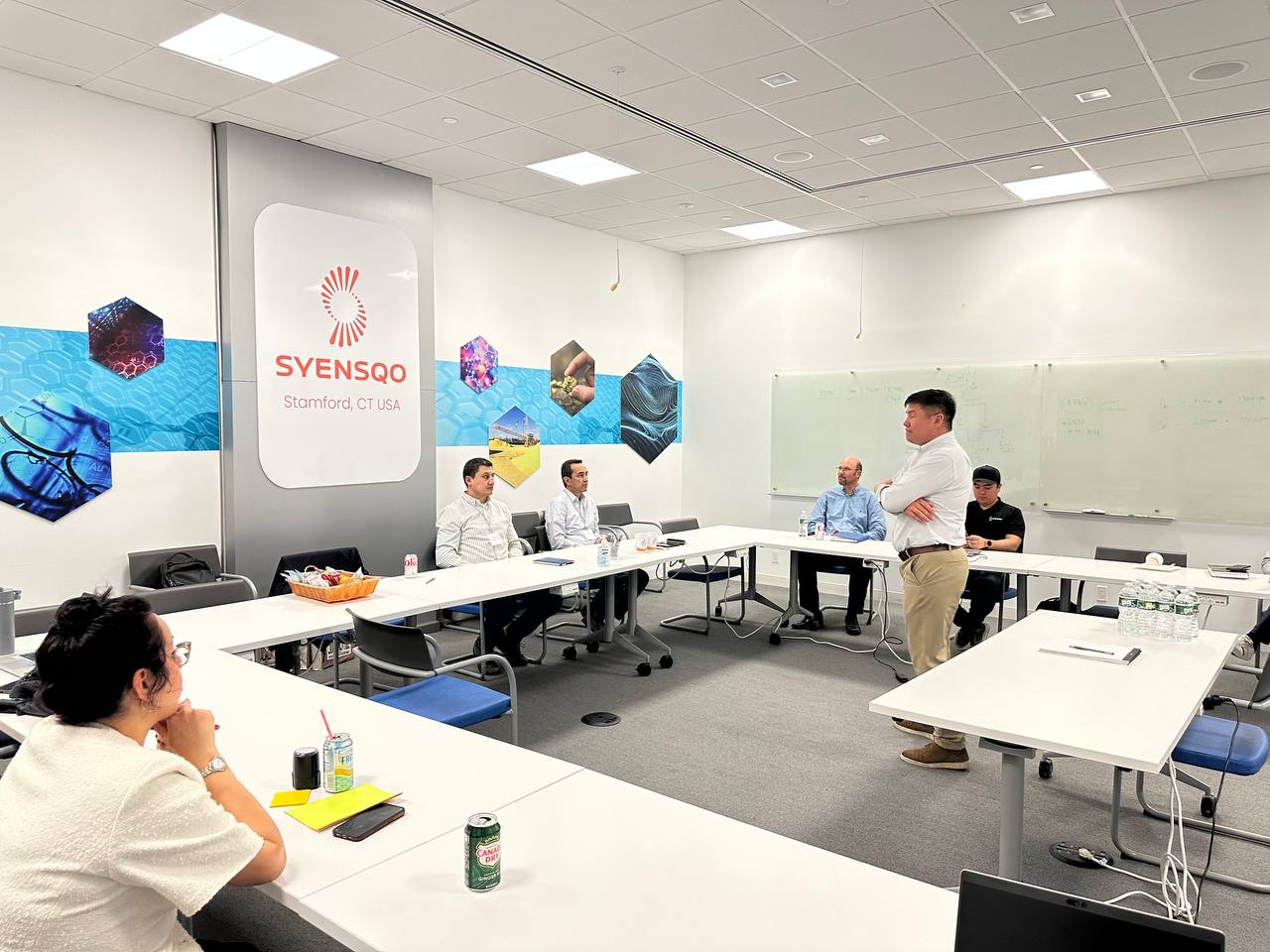
Presentations and Exchange of Technological Expertise
During the meetings, the Institute of Mineral Resources and Syensqo delivered mutual presentations. The institute presented its scientific activities, laboratory capabilities, and innovative developments, while Syensqo shared its expertise in mineral processing, the development of specialized flotation reagents, analytical testing, and technological solutions.
Particular attention was given to approaches focused on selecting reagents on the basis of the mineralogical and material characteristics of ores, optimizing process parameters, and improving the quality of the final product.
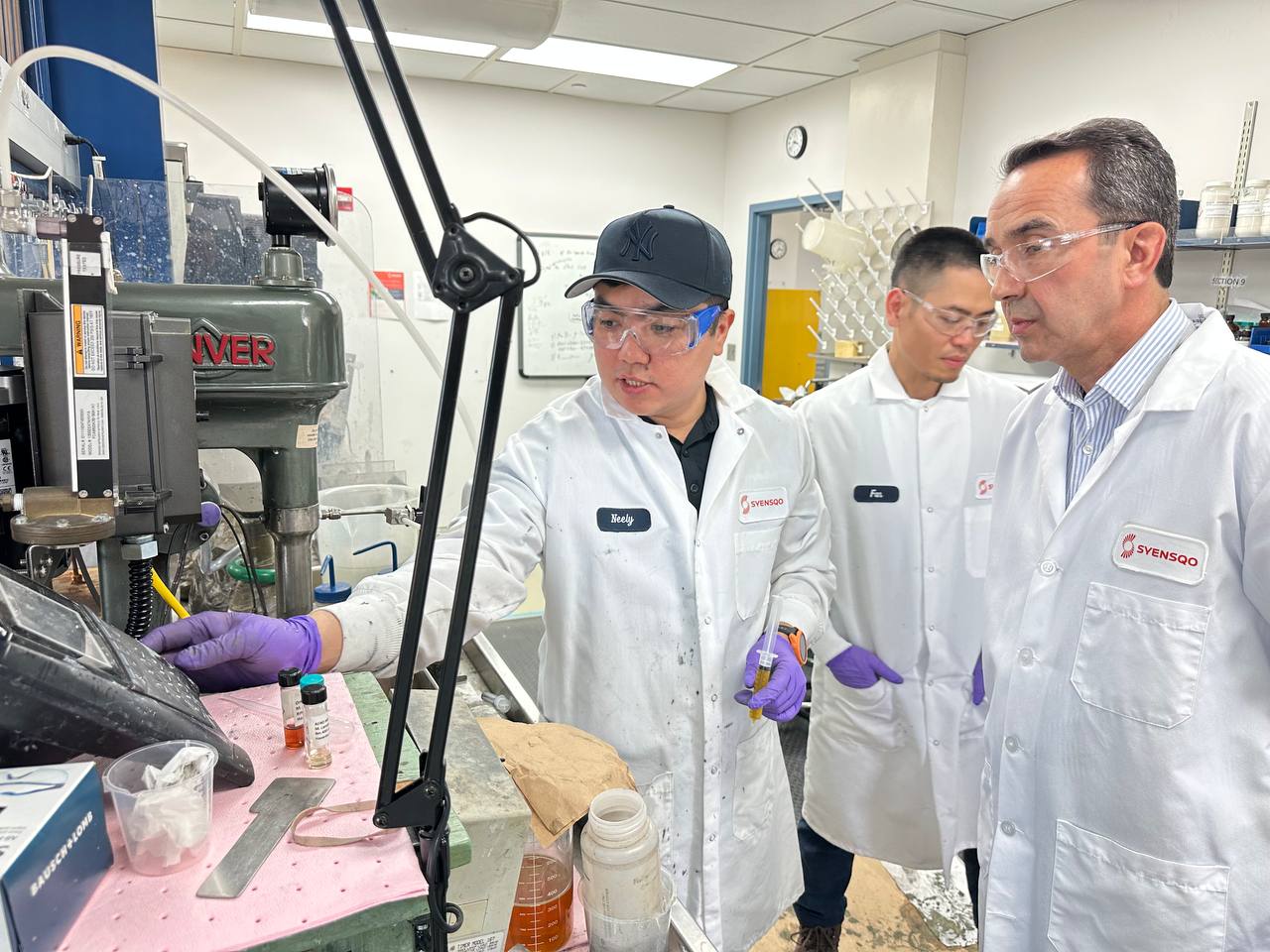
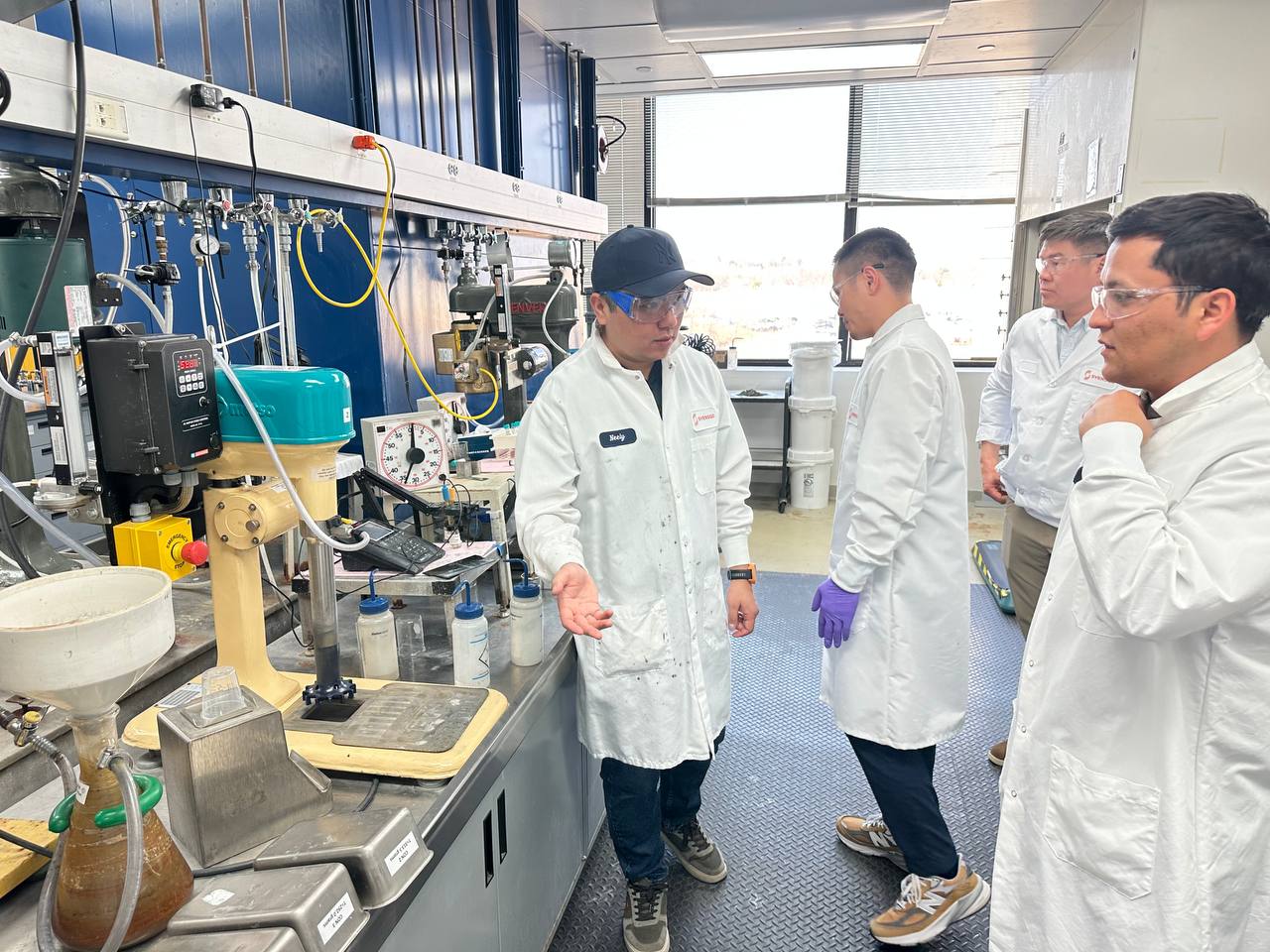
Training sessions on flotation beneficiation processes were also organized for the delegation members. These sessions covered both theoretical and practical aspects, including the correct selection of reagents, determination of dosing points and concentrations, flotation duration, and the factors affecting technological performance.
In addition, experimental tests using new types of reagents were carried out on a Denver flotation machine, demonstrating the practical effectiveness of modern flotation approaches.
Key Outcomes
Following the negotiations, the parties agreed to continue cooperation in the following areas:
— application of high-performance flotation technologies and new-generation reagents in ore beneficiation;
— use of modern hydrometallurgical approaches in the processing of critical mineral raw materials;
— implementation of selected applied research projects at the Almalyk Experimental Testing and Geoinnovative Technologies Center of the Institute of Mineral Resources;
— continued professional development courses and internships for the institute’s specialists.
This official visit marked an important practical step toward expanding international scientific cooperation, accelerating technology transfer, introducing selective reagents and modern laboratory approaches into beneficiation processes, and improving the overall efficiency of mineral processing.
In the future, this cooperation is expected to further strengthen the institute’s scientific capacity, enhance integration with industry, and support the broader implementation of advanced processing technologies in practice.