Combating Corruption: Integrating Legal Knowledge and Psychological Resilience
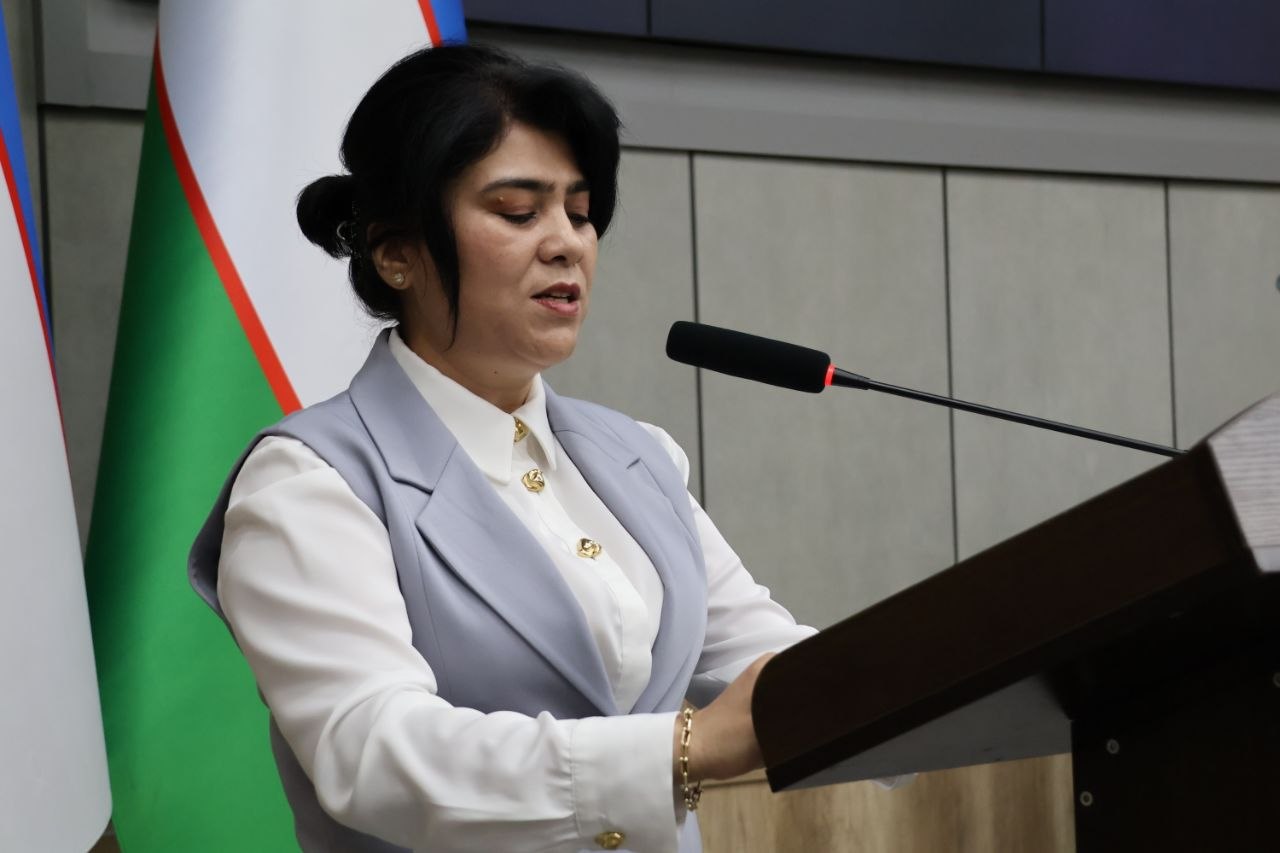
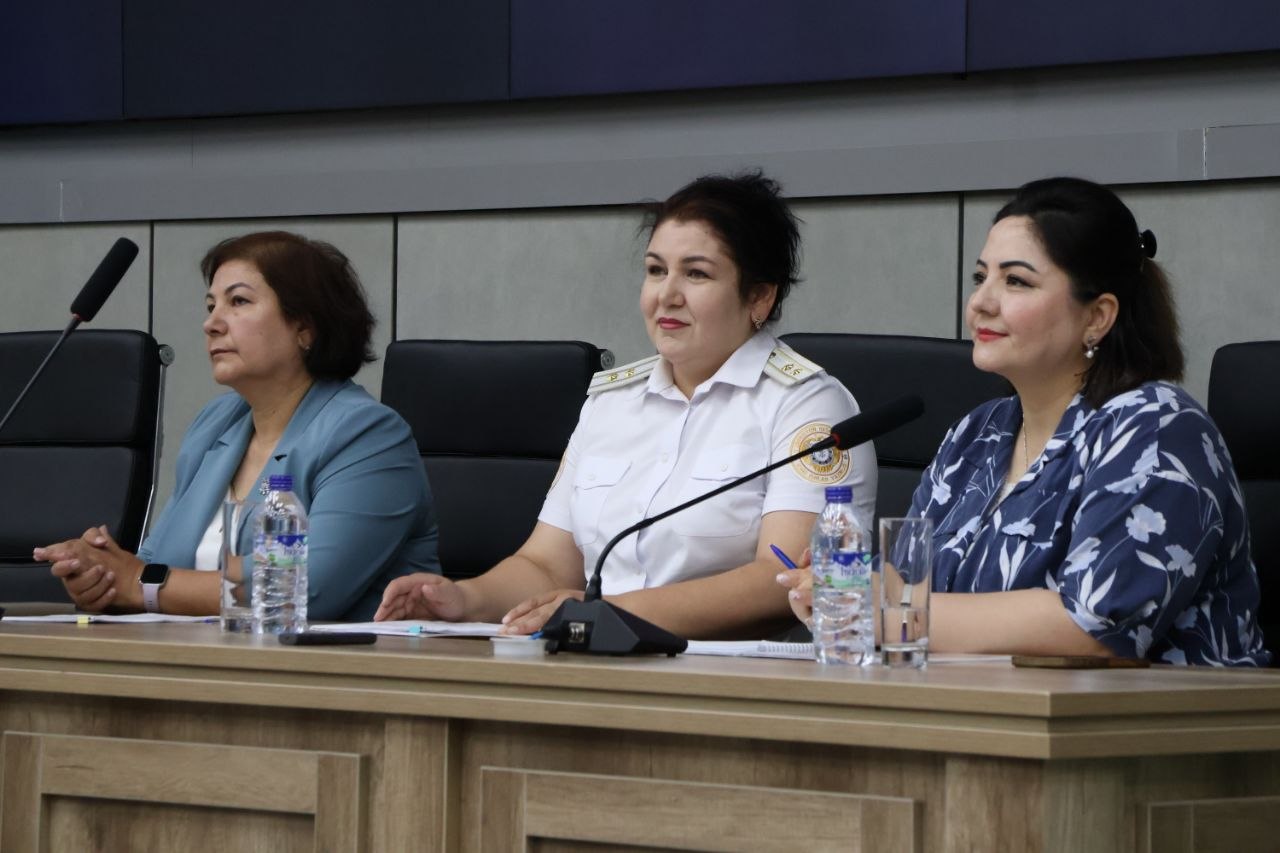
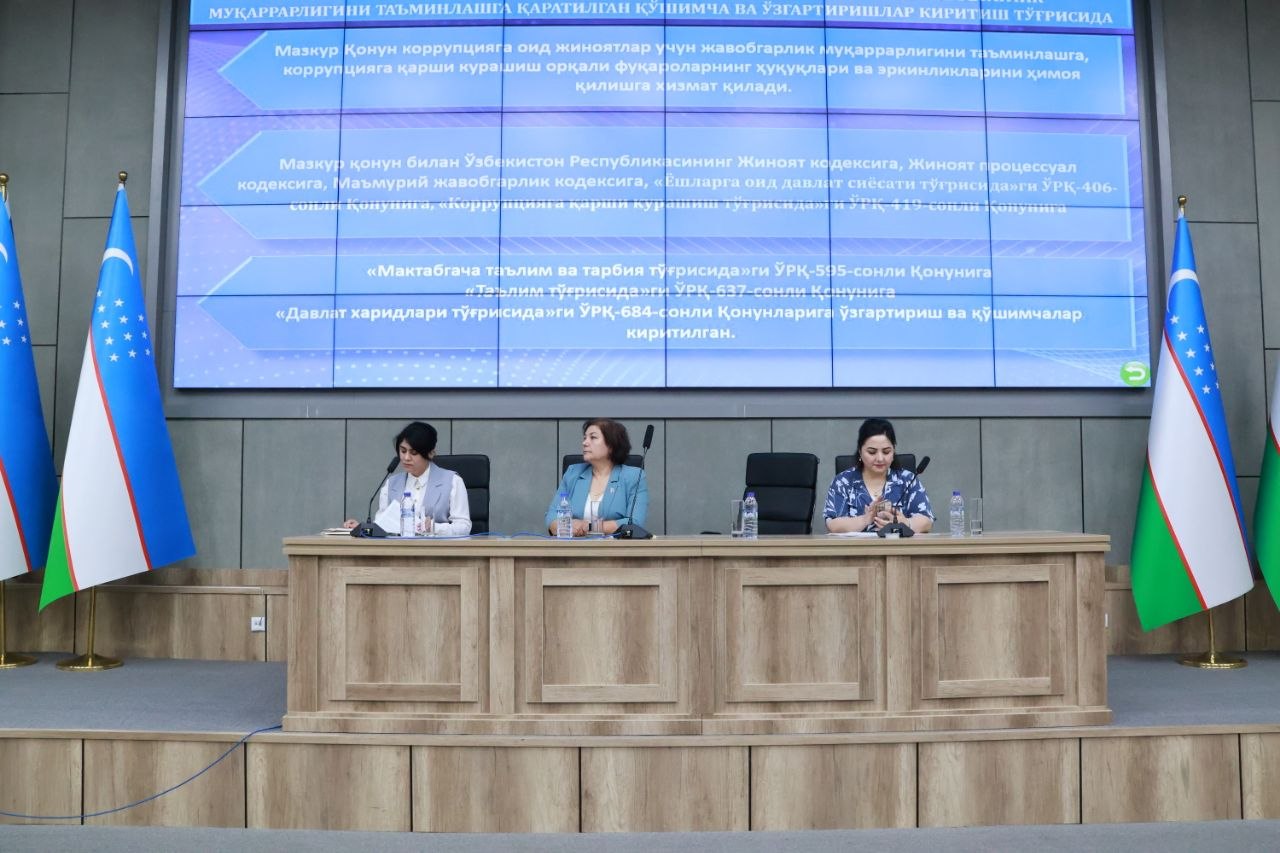
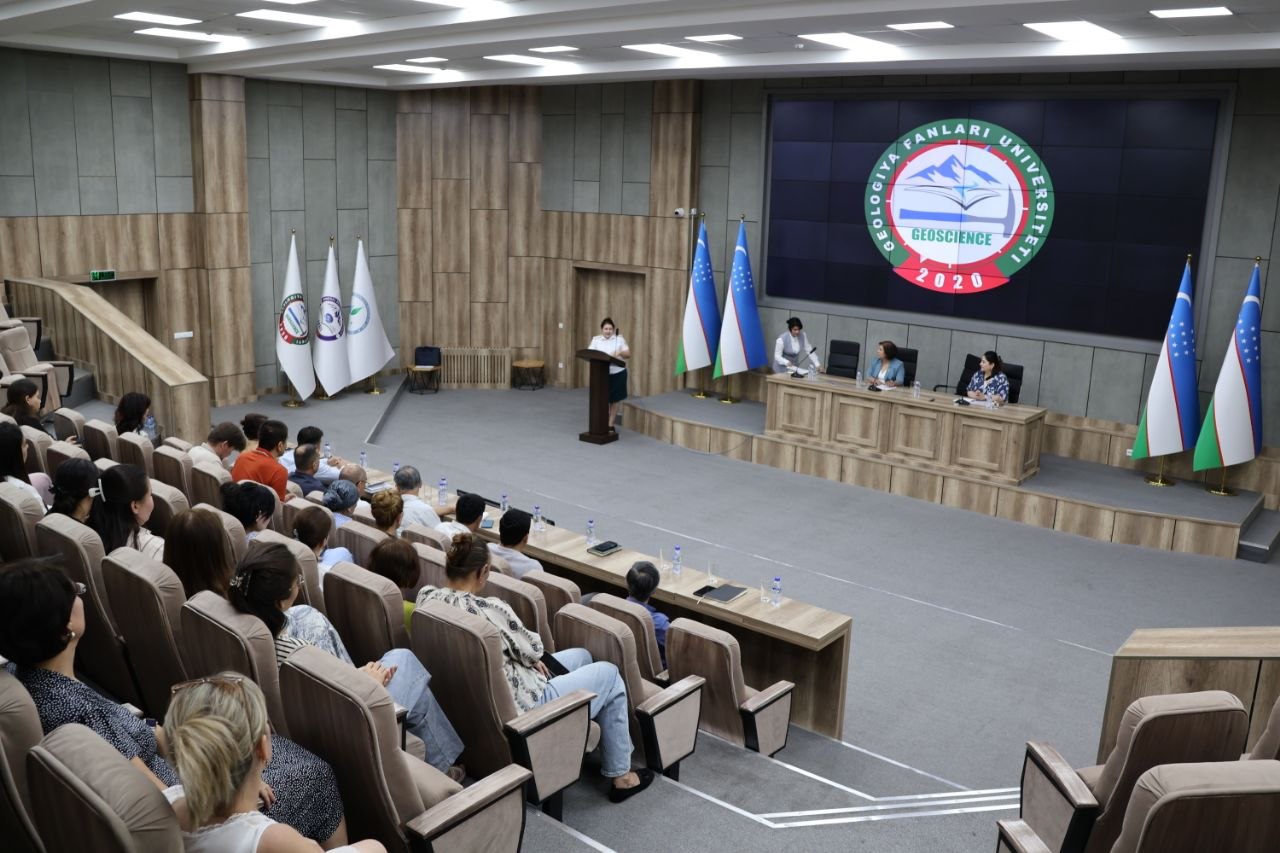
On 15 July, the Institute of Mineral Resources organised a training seminar dedicated to combating corruption and fostering an anti-corruption mindset and zero tolerance for corrupt practices. The event brought together employees of the Institute and organisations operating within the Ministry’s system.
The invited experts included Dilrabo Ergashovna Karimova, PhD in Law and Associate Professor; Dilnoza Rustambayevna Turayeva, PhD in Law and Associate Professor; and Dilafruz Rustambayevna Turayeva, Professor at Kimyo International University.
During the seminar, the nature and root causes of corruption, as well as the social, legal and psychological factors that contribute to it, were examined in detail from both academic and practical perspectives. Participants were also briefed on the new stage of Uzbekistan’s anti-corruption policy, recent legislative developments, accountability mechanisms and measures aimed at preventing corruption risks.
The practical session focused on analysing various scenarios involving potential corruption risks. Through interactive training exercises, participants were introduced to clear courses of action for responding appropriately in such situations, making sound and responsible decisions, and preventing corrupt conduct.
Held in an open and interactive question-and-answer format, the seminar helped strengthen participants’ legal knowledge, reinforce their commitment to professional integrity and foster zero tolerance for corruption.